Why is one product successful and the other not?
Many people have probably asked themselves this question. A prerequisite for the success of a product is …. Yes, what actually? This question is not that easy to answer. Otherwise there would be successful products in series.
However, in order to get a little closer to the answer, one should first divide the products into at least two groups.
- Consumer products and
- Investment Products.
In our affluent society (almost) only the image counts when it comes to consumer products.
The products are becoming more and more similar, the technical performance of the product hardly differs in a price segment. That’s why you buy with “gut feeling”. A real technical comparison is rarely possible, since the average consumer simply has too little specialist knowledge.
The purchase decision is mainly made emotionally!
So here the product design is “necessary for survival”. And I don’t know of any company that doesn’t do that.
The product design is only part of the overall company image. The overall corporate image is important.
If this is high, every product will be successful. At least over a long period of time.
A good example of this is Apple. No matter what the ladies and gentlemen from Cupertino bring to the market, it is cheered. Technical mistakes are also accepted and cause only a small loss of image. And the price doesn’t matter. The products are much more expensive than those of the competition and are still bought. It’s wonderful – at least for the manufacturer and seller of such products.
While product design cannot build the complete image of a company, it has a significant impact on it.
Consumer goods design, the image of a product, a company is important.
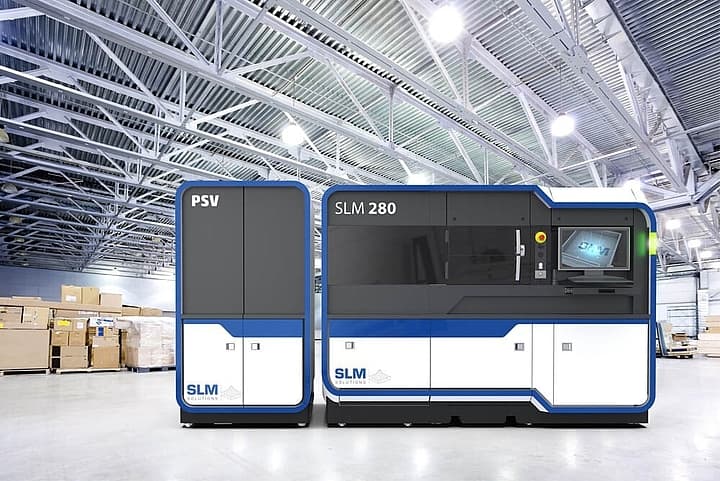
The situation is similar for capital goods. The biggest difference is that the purchase decision is usually accompanied by a specialist, a technician. The latter can (usually) evaluate the technical differences of the product better and thus make a purchase decision that is at least partially rational.
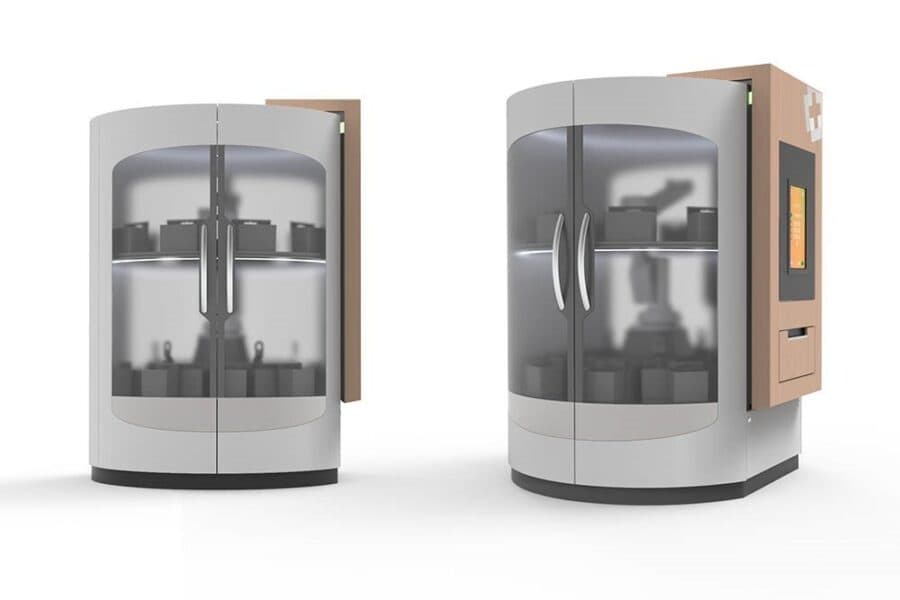
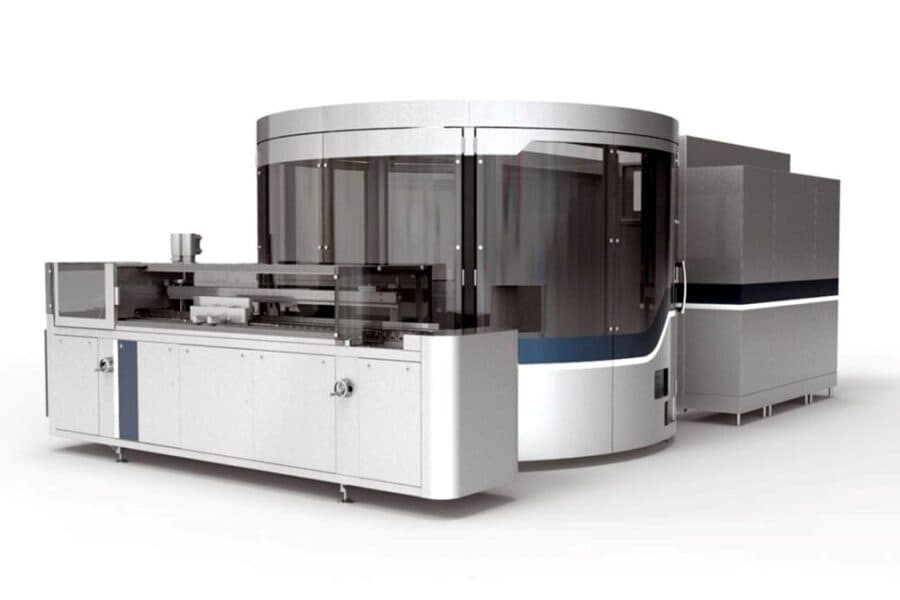
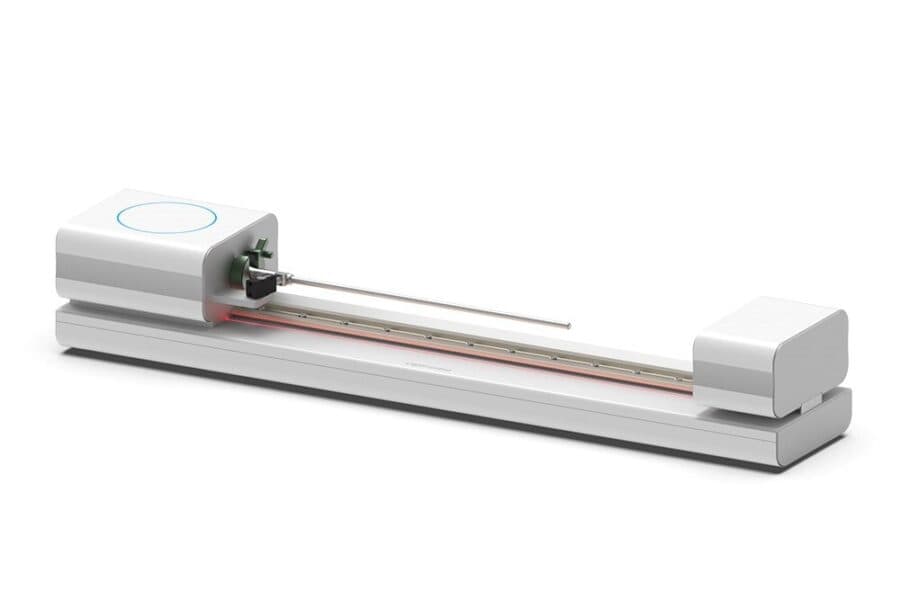
In the capital goods sector, industrial design – product design does not therefore play the dominant role in the purchase decision as it does in the consumer goods sector.
But don’t underestimate the image and the emotional impact of a product! Here, too, the wish “I want to have exactly this product” applies, often more, or at least as much as the technical values.